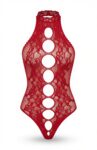
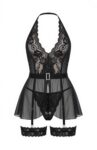
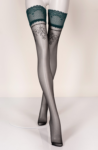
At Dooosy Lingerie, you deserve underwear that fits your life and values. 2026 is a year where intimate wear goes beyond looks. Comfort, ethics, and personal fit matter more than ever.
The lingerie trends in the industry are undergoing a significant transformation, moving beyond its traditional image to embrace innovation, ethics, and a consumer-first approach. In 2025, the market was characterized by unprecedented evolution, driven by shifting consumer values, technological advancements, and globalization.
Key trends include sustainability, inclusivity, digital retail, and strategic collaborations, redefining desirability and demand. The article aims to uncover these pivotal trends, highlighting how brands are adapting to create empowering, planet-respecting, and universally catering intimate wear.
Market Growth and Shifting Demographics

The lingerie market continues to grow despite global economic shifts, driven by self-care, comfort, and personal expression. Growth is fueled by expansion into underserved segments and a re-evaluation of consumer needs. Brands are targeting broader demographics, recognizing lingerie as an everyday essential for well-being and confidence.
Direct-to-consumer (D2C) brands are crucial, enabling agile companies to connect directly with consumers, understand needs, and respond quickly with innovative designs and superior customer experiences. Personalized approaches and effective digital marketing are converting browsers into loyal customers.
Sustainability Takes Center Stage
The most impactful trend is the industry’s fervent embrace of green initiatives, driven by environmentally conscious consumers demanding transparency and ethical practices. Brands are integrating sustainability across sourcing, production, and packaging.

This includes adopting eco-friendly materials like organic cotton, recycled polyester, Tencel, modal, and plant-based fibers. Ethical manufacturing, fair labor, and waste reduction are becoming standard. Circular fashion models, such as repair services and take-back programs, are being explored to extend product lifecycles and reduce landfill waste. This commitment is a fundamental shift driven by corporate responsibility and consumer demand for an ethical supply chain.
Inclusivity and Diverse Representation
The call for inclusivity is permanently altering traditional beauty standards and lingerie trends in marketing. 2025 was a pivotal year where authentic representation is an expectation. Lingerie brands are offering extended size ranges for all body types and showcasing diverse models representing various skin tones, ages, abilities, and gender identities.
The focus is on real bodies and self-acceptance, fostering belonging and empowerment for historically excluded consumers. This trend reflects a broader societal movement towards body positivity and self-love.
Global Ambitions and Local Flavor
Market growth in lingerie is global, not just regional. The industry’s total value is rising steadily, with analysts projecting continued expansion in North America, Europe, Asia-Pacific, and emerging regions over the next decade. This growth reflects rising demand for comfortable, inclusive, and stylish underwear across diverse consumer bases, supported by expanding online and offline retail channels.

Brands moving into new countries are doing more than opening online stores. Successful expansion relies on localization. That means adapting product mixes to fit regional body shapes, climate preferences, cultural norms, and style tastes. Companies adjust size charts, material choices, and color palettes based on local feedback from early markets. Some brands partner with regional designers to embed cultural relevance and local aesthetics into collections.
Collaborations with local influencers and retailers help brands connect authentically with new audiences. These partnerships bring credibility and firsthand insights into what resonates in specific regions. For example, lingerie brands entering Latin America or Southeast Asia often work with local content creators to showcase fit and style in ways that feel familiar and trustworthy to shoppers.
Digital tools make global strategy practical at scale. Brands use market analytics platforms to gather real-time feedback on searches, sales, and size demand in different countries. A/B testing in ads and localized websites helps refine messaging before a full launch.
Social platforms allow communities to form around products before formal retail presence, giving brands early customer sentiment and preference data. Together, these efforts help lingerie companies expand reach while avoiding one-size-fits-all strategies that fail to engage local consumers.
Evolving Retail Landscape and Collaborative Spirit
Online sales continue to dominate, but physical retail is being reimagined as experiential and personalized through pop-up shops, brand events, and interactive fitting rooms. Social commerce platforms (Instagram, TikTok, live-shopping) are becoming crucial sales channels.
Innovative collaborations continue to accelerate across the market and lingerie trends. Brands partner with fashion designers to release limited capsule collections built around seasonal aesthetics, premium fabrics, or signature silhouettes. These drops create urgency, attract style-focused shoppers, and position lingerie as part of everyday fashion rather than a hidden layer.

Wellness partnerships are also increasing. Lingerie brands work with fitness, self-care, and health companies to design pieces focused on comfort, breathability, and support for daily movement. This includes underwear engineered for long wear, travel, or recovery. The result is lingerie framed as functional wear tied to physical and mental well-being.
Technology partnerships push product innovation further. Some brands collaborate with fabric labs and wearable tech firms to develop smart garments with moisture control, temperature regulation, or adaptive stretch. Others use fit technology, body scanning, and data modeling to improve sizing accuracy and reduce returns. These efforts improve performance while strengthening customer trust.
Creative collaborations with artists and illustrators bring fresh visual identity. Limited runs featuring custom prints, packaging, or storytelling help brands stand out in crowded markets. These partnerships often extend beyond product into events, pop-ups, or digital experiences.
Together, these collaborations create attention, expand reach, and open new revenue paths. They help brands test new ideas quickly, access new audiences, and evolve lingerie into a broader lifestyle category rooted in design, function, and personal expression.
Conclusion
The lingerie trends for the industry in 2025 are characterized by resilience, innovation, and adaptability. It has transformed from an aesthetics-driven market to one attuned to consumer values, prioritizing comfort, sustainability, inclusivity, and a global outlook.
Brands that genuinely connect with these trends, offering authenticity, quality, and a commitment to positive change, are positioned for enduring success. The journey from growth to green is the new standard for intimate apparel.